Parasitic infections are a common health concern that many people face globally. Understanding worms in humans is the first step toward maintaining a healthy digestive system and preventing long-term complications. These parasites can enter the body through food, water, or skin contact.
Recognizing the signs of an infection early allows for faster treatment and better recovery. In this guide, we will look at the most common worms in humans and how they affect your overall well-being. Knowing what to look for can protect both you and your family.
What Are Intestinal Worms in Humans?
Intestinal worms are organisms that live and feed off a host body to survive. When discussing intestinal worms in humans, doctors often prescribe medications like Mebendazole 100 mg to stop the parasites from absorbing the nutrients they need to grow. This helps in clearing the infection effectively from the gut.
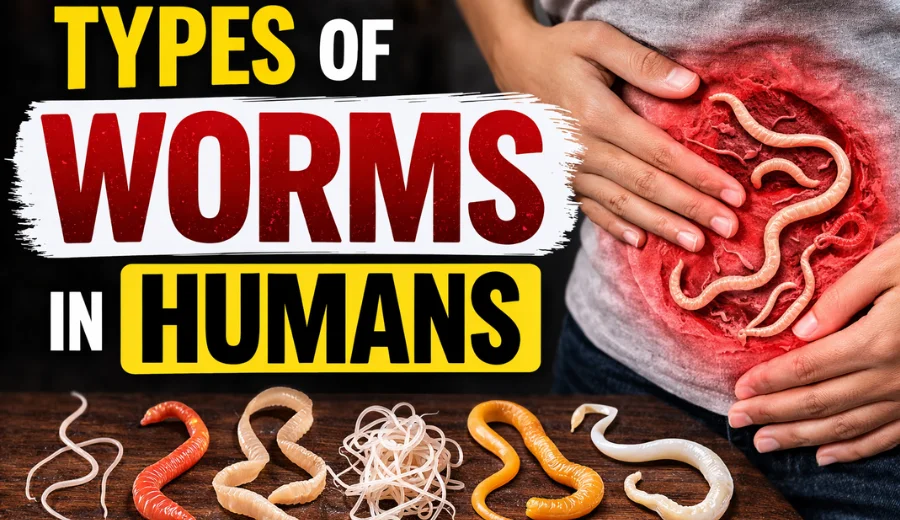
These parasites usually settle in the gastrointestinal tract but can sometimes migrate to other parts of the body. Many parasites in human body pictures show them as long, pale structures that vary in size. They compete with the host for essential vitamins and minerals.
Left untreated, these infections can lead to severe fatigue, malnutrition, and digestive distress. Understanding how these organisms function is vital for choosing the right hygiene habits. Most infections are easily treatable once they are correctly identified.
1. Roundworms (Ascaris)
Roundworms are among the most frequent worms found in humans across the world. They are often thick, white, or slightly pinkish and can grow several inches long. These worms typically enter the human body when someone consumes contaminated water or soil-stained vegetables.
Once the eggs are swallowed, they hatch in the small intestine and start their lifecycle. In some cases, the larvae can travel through the bloodstream to the lungs before returning to the throat to be swallowed again. This process can cause respiratory issues alongside stomach problems.
Common signs of a roundworm infection include:
- Constant stomach ache or bloating.
- High fever or a persistent cough.
- Nausea and loss of appetite.
- Seeing a large worm in the stool.
2. Pinworms (Threadworms)
Pinworms are tiny, thread-like parasites that cause intense itching, especially at night. To treat these stubborn parasites, medical experts might suggest Ivermectin 12 mg (Iverheal) as part of a targeted deworming schedule. This medication helps by paralyzing the nervous system of the worms.
These are the most common intestinal worms in humans found in school-going children. The female worm travels to the rectal area at night to lay thousands of eggs. This causes irritation, leading the person to scratch and accidentally spread the eggs to surfaces or food.
Important Facts About Pinworms:
- They are highly contagious between family members.
- Eggs can live on toys, bedding, and clothes for weeks.
- Itching around the anus is the most prominent symptom.
- Frequent hand washing is the best way to stop the spread.
3. Hookworms
Hookworms are dangerous because they attach themselves to the walls of the small intestine to suck blood. Healthcare providers often use Ivermectin 6 mg (Iverheal) to eliminate these parasites before they cause serious internal damage. This treatment ensures the worms are expelled from the digestive tract safely.
Most people contract hookworms by walking barefoot on soil contaminated with infected feces. The tiny larvae can pierce through human skin, usually through the feet, and travel to the gut. This is a common issue in tropical regions with poor sanitation systems.
Because they feed on blood, hookworms often cause:
- Severe iron deficiency or anemia.
- Extreme tiredness and pale skin.
- Rashes or itchy spots where the larvae entered.
- Stunted growth in young children.
4. Tapeworms
Tapeworms are flat, ribbon-like parasites that can grow to several feet inside the human body. During the treatment process, a dose of Ivermectin 3 mg (Iverheal) might be recommended by a professional to tackle specific parasitic stages. These worms usually enter the body via undercooked beef, pork, or fish.
A tapeworm consists of many small segments, and each segment is capable of producing eggs. These segments can sometimes be seen moving in the stool, which is a clear sign of infection. Many people live with tapeworms for a long time without realizing it.
Common symptoms associated with tapeworms are:
- Sharp hunger pangs or a sudden loss of appetite.
- Dizziness and a feeling of weakness.
- Vitamin B12 deficiency.
- Small white segments appearing in bowel movements.
Common Symptoms of Worm Infection in Humans
While each parasite behaves differently, there are shared signs of worms in humans that you should never ignore. If you feel constantly unwell despite eating healthy, parasites might be the hidden cause. Early detection prevents the infection from spreading to other organs.
Watch out for these symptoms:
- Digestive Issues: Frequent diarrhea, gas, or bloating.
- Skin Problems: Unexplained rashes, hives, or sores.
- Weight Changes: Losing weight even while eating normally.
- Sleep Troubles: Difficulty sleeping due to nighttime itching.
- Muscle Pain: Aches in the joints or muscles without exercise.
If you see any parasites in human body pictures that resemble what you find in your stool, take a photo for your doctor. This helps them provide a much faster and more accurate diagnosis.
How Do Humans Get Worm Infections?
Preventing common worms in humans starts with knowing how they travel. Most parasites rely on a lack of hygiene to find a new host. By identifying these high-risk areas, you can significantly lower your chances of infection.
Common transmission routes include:
- Fecal-Oral Route: Touching contaminated surfaces and then touching your mouth.
- Dirty Food: Eating unwashed salads or vegetables grown in raw manure.
- Barefoot Walking: Letting larvae enter through the soles of your feet in moist soil.
- Poor Water Quality: Drinking from lakes, rivers, or untreated wells.
- Raw Meat: Consuming sushi or steaks that have not been frozen or cooked properly.
How to Prevent Worm Infections
The best way to stay safe from worms found in humans is through consistent personal hygiene. Simple changes in your daily routine can make your body a difficult place for parasites to survive.
Best Hygiene Habits:
- Scrub your hands with soap for at least 20 seconds after using the restroom.
- Always wear shoes or flip-flops when walking outdoors on soil or grass.
- Keep your kitchen surfaces disinfected, especially after handling raw meat.
Food Safety Tips:
- Use a vegetable brush to clean root vegetables like carrots and potatoes.
- Cook all meats to a safe temperature to kill any hidden larvae or eggs.
- Peel fruits that cannot be washed thoroughly before eating them.
General Maintenance:
- Deworm your household pets every six months as a precaution.
- Avoid biting your nails, as eggs can easily hide under the nail bed.
- Drink only boiled or filtered water when traveling to new locations.
Conclusion
Dealing with worms in humans is a manageable health issue if you stay informed and proactive. While the idea of parasites is unpleasant, modern medicine and good hygiene can keep you completely safe. Always prioritize cleanliness in your kitchen and bathroom to protect your household.
If you suspect you have an infection, don’t hesitate to visit a clinic for a simple stool test. Professionals can provide the right guidance and ensure you get back to feeling your best quickly. Taking care of your gut health today leads to a stronger immune system tomorrow.