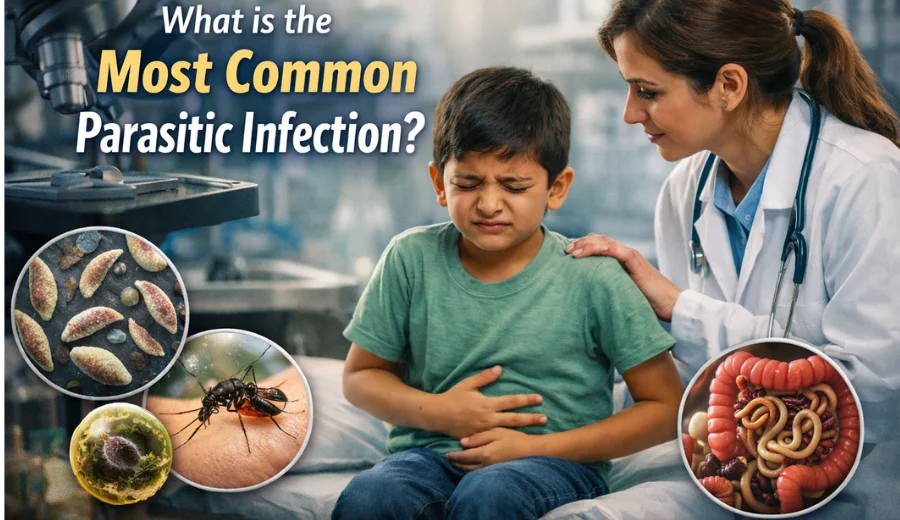
Hearing the word parasite can make your skin crawl. Many people think these tiny invaders only exist in faraway places. The truth is that a parasitic infection can happen anywhere to anyone. You might drink contaminated water during a camping trip or eat undercooked meat at a backyard barbecue.
Understanding how these organisms work is the first step to staying healthy. This guide explains the most common parasites. how they spread and how you can protect your family from a human worm infection and other common problems.
What Is a Parasitic Infection?
A parasitic infection happens when a parasite lives on or inside a host to survive. The host is usually your body. These parasites take nutrients from your body to grow and multiply. Some parasites stay in the body for years without clear signs. Others can cause serious stomach parasites that disturb your daily life.
Doctors treat these infections with the right medicine based on the type of parasite. In some cases Ivermectin 12 mg (Iverheal) is used to treat certain parasitic infections and help remove the parasites from the body. Finding the parasite early can stop the problem from becoming more serious.
What Is the Most Common Parasitic Infection?
The most common parasitic infection in the world is ascariasis. It is caused by a roundworm called Ascaris lumbricoides. This infection affects more than 1.2 billion people mostly in tropical areas where sanitation is poor.
Other common infections include hookworm, disease, giardiasis and malaria. Hookworm affects around 740 million people worldwide. Giardiasis is common in developed countries while malaria causes millions of cases every year.
In the United States the most common parasitic infections are giardiasis, cryptosporidiosis and cyclosporiasis. These infections usually spread through contaminated food or water. Good hygiene and clean food can help reduce the risk of infection.
Common Types of Parasitic Infections in Humans
Parasites come in many shapes and sizes. Scientists group them into three main types based on how they live and where they stay in the body.
Single-celled Organisms
Protozoa are very tiny organisms that cannot be seen without a microscope. They enter the body through contaminated food or water and start multiplying very fast. Because they grow quickly they can cause infection in a short time that affects the stomach and intestines. Giardia and malaria are common examples of this type of parasite.
Parasitic Worms
Helminths are bigger parasites that can be seen when they become adults. A human worm infection happens when these worms enter the body through contaminated soil or food. Tapeworms and roundworms are part of this group and they can grow very large inside the body.
Surface Dwellers
Ectoparasites do not live inside the body. They live on the skin or in the hair and survive by feeding on blood. Tick fleas and lice are common examples and in some cases doctors may prescribe Iverjohn 12 mg for certain parasitic infections.
How Do People Get a Parasitic Infection?
People can get a parasitic infection in many different ways in daily life. The most common ways include contaminated food or water skin contact insect bites and contact with infected animals or people. These infections are more common in places where hygiene and sanitation are poor but they can happen anywhere.
Ingestion
Parasites often enter the body when a person eats contaminated food or drinks dirty water. Raw or undercooked meat, unwashed fruits, vegetables and untreated water are common sources of infection. After entering the body the parasites grow in the stomach or intestines and start causing health problems.
Skin Contact
Some parasites can enter the body directly through the skin. This usually happens when a person walks barefoot on soil that is contaminated with animal or human waste. Once the parasite enters the body it can move through the bloodstream and grow inside the body.
Insect Vectors
Some parasitic infections spread through insect bites. Mosquitoes, sandflies and other insects carry parasites and pass them into the body through a bite. In some parasitic infections doctors may prescribe Ivecop 12 Mg as part of the treatment depending on the infection type.
Zoonotic Transmission
Parasites can also spread from animals to humans. Animals like cats, dogs and raccoons can carry parasites that spread through direct contact or through animal waste. Washing hands after touching animals and keeping pets clean can help prevent infection.
Fecal Oral Route
This type of infection spreads when a person does not wash hands after using the toilet. Parasites can spread from dirty hands to food kitchen surfaces or other objects. This infection spreads quickly in places where hygiene is poor.
Sexual Contact
Some parasites spread through sexual contact with an infected person. These parasites pass from one person to another during close physical contact. Early treatment is important to stop the infection and prevent further spread.
Simple Tips to Avoid Parasitic Infection
You can reduce the risk of parasitic infection by following simple daily habits. Clean habits, safe food and clean water can protect you and your family from infection.
- Hygiene & Sanitation: Wash your hands with soap and warm water. Always wash hands after using the toilet before eating and after touching dirt. Clean under your fingernails because parasite eggs can hide there easily.
- Food Safety: Cook meat properly before eating. Wash fruits and vegetables before eating. Keep raw meat away from cooked food and use clean kitchen tools to stop infection.
- Water Safety: Do not drink untreated water from rivers, lakes or streams. Boil water if you are not sure it is safe. Use a water filter when traveling or camping.
- Pet & Environmental Care: Clean pet waste quickly and keep the area clean.
Take pets for regular deworming and wear gloves while gardening. Some farmers buy Ivermectin 40 mg for livestock parasite control. - Travel & Personal Safety: Check health risks before traveling to another country. Drink bottled water in places with poor sanitation. Use mosquito repellent to prevent insect bites.
Conclusion
A parasitic infection symptoms is more common than many people think and it can affect anyone. These infections spread through contaminated food, water, soil, insects or infected animals bites. Many people use Ivermectin 6 mg (Iverheal) when dealing with parasite problems. Knowing how these infections spread is the first step to staying safe.
The good news is that most parasitic infections can be prevented with simple daily habits. Clean hands, safe food, clean water and proper hygiene can reduce the risk. Early treatment is also important so the infection does not become serious.
If you notice signs like stomach pain, diarrhea, itching or tiredness you should not ignore them. Early care and the right treatment can help you recover faster and also protect your health in the long term.