Finding out that you have parasites is a common health issue that many people face globally. It usually happens through contaminated food, water, or contact with infected soil. The first step to feeling better is knowing exactly what to look for in your body.
Most parasitic infections stay hidden for a long time before showing any clear signs. However, once you know the symptoms, it becomes much easier to take control of your health. This guide will walk you through every step of identifying and treating this issue.
What are the common signs to look for?
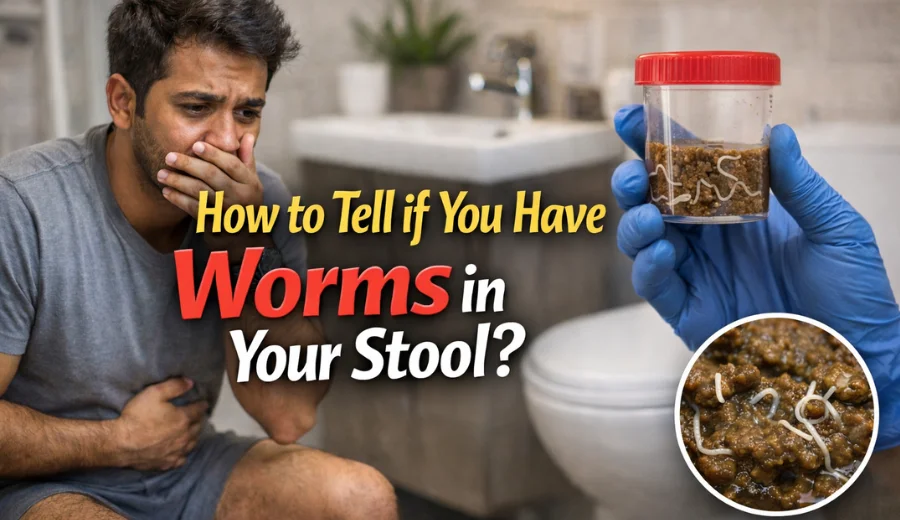
The most common way to identify an infection is by checking for worms in your stool during a bathroom visit. You might see tiny white threads that look like small pieces of string or moving lint. These are often most visible in the morning or after a long period of rest.
Sometimes the signs are not just in the waste but also around the skin area. Many people feel a very itchy sensation in the rectal area, especially during late hours. If you notice these physical signs along with visible threads, it is time to take action.
- Visible Threads in Waste: Small, white, thread-like structures often move in the stool. These are usually pinworms and are most active at night.
- Intense Anal Itching: A very common sign where the skin around the rectum becomes irritated. This usually worsens during sleep hours when parasites move.
- Abdominal Discomfort: You might feel frequent bloating, gas, or mild stomach cramps. These pains often come and go without any specific food trigger.
- Unexplained Fatigue: Since parasites feed on your nutrients, you may feel tired all the time. This happens because your body is losing essential vitamins to the worms.
Which medicine works best for worms?
Once you are sure about the infection, you need an effective medicine to clear it completely. A very common and trusted choice for humans is Mebendazole 100 mg. This tablet works by stopping the parasites from taking in the nutrients they need to survive.
Using a standard treatment helps ensure that the adult worms are removed from your system safely. Most people find that this medication is easy to take and works quickly without many side effects. It is always best to follow the instructions on the pack for the best results.
What to do for a strong infection?
In some cases, a different approach or a stronger dosage might be necessary for a full recovery. This is where options like Fenbendazole Tablets (Wormentel 500mg) come into play for those needing more support. These are known for being very potent against a wide variety of intestinal parasites.
Using a broad-spectrum option ensures that different types of worms are targeted at the same time. This is helpful if you aren’t sure exactly which parasite species is causing the trouble. Having a stronger option available makes the recovery process much more reliable and thorough.
- Consult a Professional: Always talk to a doctor to confirm the type of worm you have. This ensures you are using the correct medication for your specific case.
- Complete the Full Course: Never stop taking the medicine even if you feel better after one day. Finishing the entire pack is the only way to kill all adult parasites.
- Repeat After Two Weeks: Most treatments require a second dose after 14 days. This is done to catch any new worms that might have hatched from remaining eggs.
How long does the treatment take?
After you start your medication, you will likely want to know when the infection will be gone. When you take the correct steps to kill parasites, the process usually takes a few days to show results. You might still see some activity in your waste as the body flushes everything out.
It is important to stay patient during this time and keep your bathroom environment very clean. Washing your hands and sanitizing surfaces will prevent the microscopic eggs from spreading further. Complete the full course of your medicine even if you start feeling better immediately.
Are there other dosage options available?
For those who need a more specific or slightly lower dose, there are other variants available. You might come across Fenbendazole 222 mg (Wormentel) as an alternative choice for your treatment plan. This allows for more flexibility depending on the specific advice of a health professional.
Having different strengths available ensures that everyone can find a treatment that fits their body size. Whether the infection is mild or more advanced, there is a specific dosage designed to help. Always keep these options in mind when planning your recovery journey.
How can you prevent getting worms again?
The best way to make sure the worms don’t come back is to focus on your daily hygiene routine. Keeping your living space clean and washing your vegetables thoroughly are the most effective defences. Parasites struggle to survive when you maintain high standards of cleanliness in the kitchen.
Practicing healthy habits every day is your best long-term shield against future parasitic infections. Simple things like keeping your nails short and drinking filtered water can go a long way. If you stay consistent with these small changes, your digestive system will stay strong.
- Wash Hands Regularly: Use soap and warm water after using the toilet and before eating. This is the single most effective way to stop the spread of eggs.
- Keep Nails Short: Eggs can easily hide under long fingernails and enter your mouth. Keeping them trimmed and clean reduces the risk of reinfection.
- Wash Bedding in Hot Water: High temperatures are needed to destroy parasite eggs on fabrics. Wash all towels and bedsheets on the first day of treatment.
- Cook Meat Thoroughly: Avoid eating raw or undercooked meat as it may contain larvae. Always ensure your food reaches a safe internal temperature before eating.
Conclusion
Dealing with parasites can feel overwhelming, but it is a very treatable condition. By staying observant and checking for any signs, you have already taken a big step. Once you clear the system, you will notice a great improvement in your health.
Maintaining a parasite-free life requires awareness and consistent daily hygiene. It is about treating the current infection and protecting your home from future risks. Staying informed about the symptoms is the best way to keep your family safe.
Lastly, remember that preventing reinfection is just as important as the initial treatment. Small changes in your daily routine, like proper handwashing, make a huge difference. Following these simple steps will help you lead a much healthier and worry-free life.