Finding out you have a bacterial infection can be stressful and tiring. When your doctor hands you a prescription for an azithromycin antibiotic the first thing you probably want to know is how soon you will feel better.
Azithromycin is one of the most commonly prescribed medications worldwide for various bacterial issues. It belongs to a group of drugs known as macrolide antibiotics which are famous for their short and powerful courses.
In this detailed guide we will break down the timeline of recovery and how the medicine functions. We want to ensure you have all the facts to manage your health effectively and get back to your daily routine.
What Is Azithromycin?
Azithromycin is a very versatile and broad-spectrum antibiotic medication. This means it is effective against a wide variety of bacteria that cause different types of illness in the human body.
It is commonly used to treat chest infections like pneumonia and skin conditions or sinus infections. Because it stays in your system for a long time doctors often prescribe it for just 3 to 5 days.
If your doctor has prescribed a lower dose for a mild respiratory issue they might suggest starting with Azee 250mg (Azithromycin). This dosage is often used to gradually clear the infection while being very gentle on your internal system.
How Does Azithromycin Work in the Body?
Most people think antibiotics kill bacteria instantly like a strike of lightning. However the way the medication functions is actually a bit more strategic and focused on the long term.
Bacteria need specific proteins to multiply and spread throughout your tissues. Azithromycin enters the bacterial cell and interferes with its ability to produce these essential proteins.
Without the ability to grow or repair themselves the bacteria eventually die off. This process allows your immune system to take over and clear the remaining infection naturally and efficiently.
One unique feature of this drug is that it hitches a ride on your white blood cells. These cells act like a delivery service carrying the medicine directly to the site of the infection where it is needed most.
This targeted delivery is why the azithromycin effectiveness is so high even with fewer doses compared to older types of antibiotics. It stays concentrated exactly where the battle against germs is happening.
How Long Does It Take Azithromycin to Work?
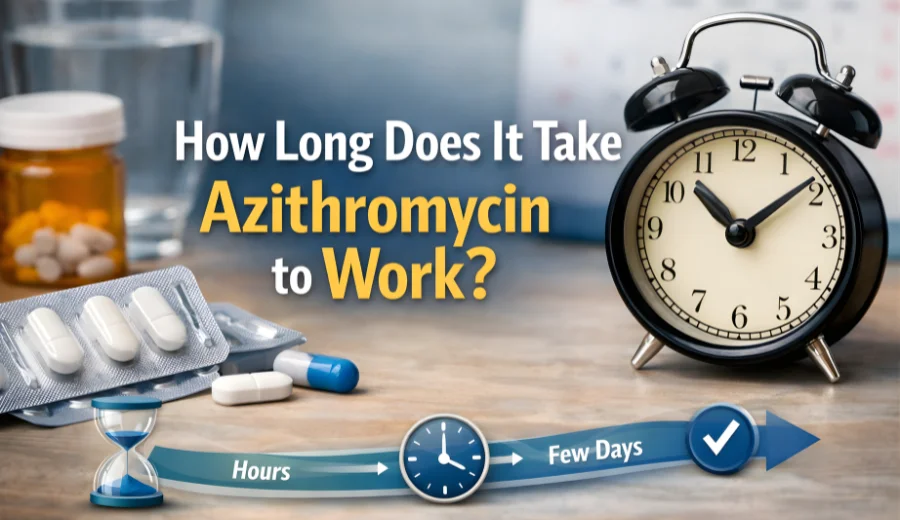
The most important question for any patient is the timeline of relief. While the medicine starts working within a few hours of the first dose you won’t feel 100 percent better immediately.
The First 24 to 48 Hours
Most patients begin to notice a slight improvement in their symptoms within the first two days. If you have a fever it might start to come down and your energy levels may begin to stabilize.
Peak Action
The medication reaches its peak concentration in your tissues fairly quickly after ingestion. However because it works by stopping growth it takes time for the existing army of bacteria to diminish significantly.
By the third or fourth day you will likely feel much better than when you started. For more severe infections your doctor might have prescribed a stronger dose like Azee 500mg (Azithromycin) to ensure the bacteria are fully eradicated.
Finishing the Course
Even if you feel completely fine on day two you must finish the entire prescription. Stopping early can lead to antibiotic resistance which makes future infections much harder to treat with standard medicine.
Factors That Affect How Fast Azithromycin Works
Not everyone recovers at the same speed because every human body is different. Several factors play a role in how quickly you will get back on your feet after starting treatment.
The type of infection is a major factor in your recovery speed. A simple skin infection might feel better faster than a deep seated lung infection like pneumonia or a severe sinus blockage.
The overall strength of your immune system also dictates the timeline for azithromycin to work effectively. Remember that the antibiotic stops the growth but your immune system does the final clean-up of the dead bacterial cells.
For those dealing with moderate to intense symptoms a healthcare provider might opt for a potent version such as Azipro 500 (Azithromycin). This ensures that the concentration of the drug remains high enough to fight off stubborn bacteria.
Your metabolism also plays a small role in how the body processes the drug. People with faster metabolisms might process the initial doses more quickly while others might see a slower but steady improvement.
Supporting Your Recovery with Lifestyle
While the medicine does the heavy lifting your body needs fuel to repair the damage. Rest is your best friend during this time but your diet also plays a massive role in your comfort.
Focusing on healthy food can speed up your recuperation significantly. Consuming things like bone broth or ginger tea and vitamin C rich fruits helps your immune system stay active and strong during the fight.
Since antibiotics can sometimes upset your stomach, eating yogurt or fermented foods can help balance your gut. This prevents the common digestive issues often associated with taking strong antibiotic cycles.
Hydration is equally important for your recovery process. Water helps flush out toxins and keeps your respiratory tract moist which is essential if you are dealing with a persistent cough or chest congestion.
Possible Side Effects
Like all medications this antibiotic can cause some side effects in certain people. Most people tolerate it very well but it is good to be aware of what might happen during your course.
Common side effects include:
- Nausea or mild stomach upset
- Temporary diarrhea
- Minor headaches
- Changes in your sense of taste
Rare but serious side effects:
- Severe allergic reactions like hives or swelling
- Extreme dizziness or fainting spells
- Yellowing of the eyes or skin which indicates liver issues
If you experience any severe symptoms contact your healthcare provider immediately for advice. Most minor stomach issues can be managed by taking the medication with a small amount of light food.
Understanding Azithromycin Uses
There are many different azithromycin uses in modern medicine today. It is not just for one specific illness but covers a wide range of bacterial problems from head to toe.
Doctors use it for respiratory tract infections like bronchitis and throat infections like tonsillitis. It is also a primary choice for treating ear infections in children because the dosage schedule is so easy to follow.
In some cases it is used to prevent infections in people with weakened immune systems. This preventive use helps keep patients safe from opportunistic bacteria that might otherwise cause serious health complications.
The azithromycin for infection approach is highly valued because it reaches high levels in the lungs and skin. These are the areas where many common bacteria like to settle and grow.
Summary Table: Recovery Timeline
| Time Period | What is happening inside you? |
|---|---|
| 0 – 6 Hours | The drug enters the bloodstream and starts targeting the bacteria. |
| 24 Hours | Bacteria growth is halted and white blood cells deliver meds to the site. |
| 48 Hours | Most users notice a reduction in fever and localized pain symptoms. |
| 3 – 5 Days | Significant improvement is seen and most symptoms should be nearly gone. |
| 7 – 10 Days | Full recovery happens as the medicine stays in your system long after. |
Important Tips for Taking Your Medication
To get the most out of your treatment you should follow these simple rules. Proper usage ensures that the infection does not return and that you stay healthy in the long run.
Try to take your dose at the same time every day without fail. This keeps a steady level of the drug in your body which is crucial for fighting the bacteria consistently.
Do not skip any doses even if you feel amazing after the first day. Skipping doses allows the strongest bacteria to survive and mutate into stronger versions that are harder to kill.
Avoid taking antacids that contain magnesium or aluminum at the same time as your antibiotic. These can bind to the medicine and stop it from being absorbed into your bloodstream properly.
If your symptoms get worse after three days of treatment you should call your doctor. It might mean the bacteria are resistant or the cause of your illness is actually a virus.
Conclusion
Azithromycin is a powerful tool in modern medicine that helps millions of people every year. While it usually takes 24 to 48 hours for azithromycin to work enough for you to start feeling a noticeable difference the real work begins instantly.
By inhibiting bacterial growth it allows your body to regain control and start the healing process. Stay patient and get plenty of rest while waiting for azithromycin to work and following your doctor’s instructions to the letter for the best results.
Most people find themselves back to their normal routines within a single week. Understanding the timeline of your treatment is the first step toward a stress-free and successful recovery from any bacterial infection.