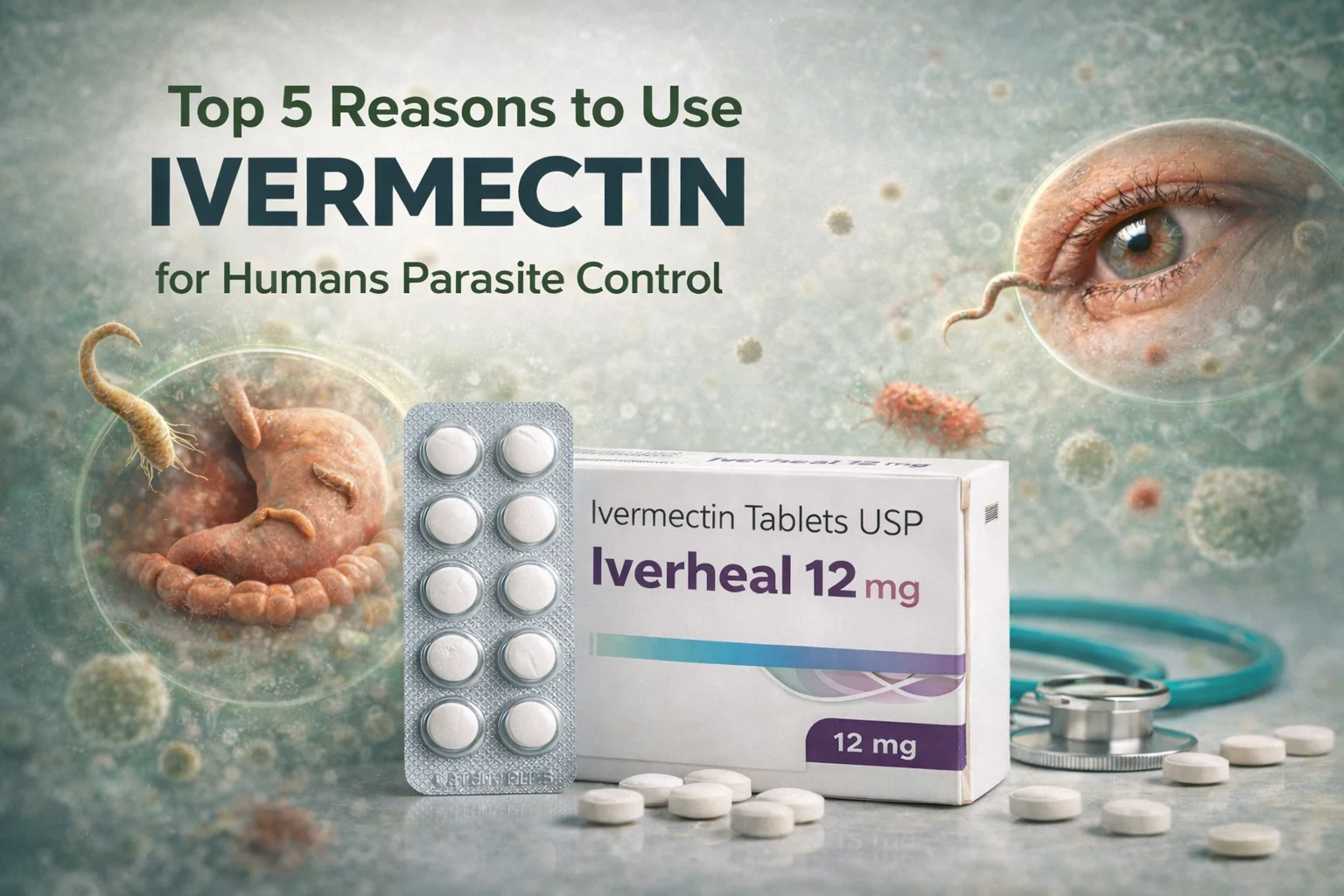
Ivermectin treat in humans has been a trusted medical solution for decades. It is a prescription antiparasitic medication that doctors use to target and eliminate harmful parasites living inside or on the body. Since its approval for human use in 1987, ivermectin has helped millions of people worldwide recover from serious parasitic diseases.
If you are wondering what does ivermectin treat in humans, the answer covers a wide range of conditions. From intestinal worm infections to skin-related parasitic diseases, ivermectin benefits in humans are well-documented and backed by strong clinical evidence. It is even listed as an essential medicine by the World Health Organization.
This blog will walk you through everything you need to know about human ivermectin treatment. We will cover how it works, what symptoms may require its use, possible side effects and the key benefits it offers to patients dealing with parasitic infections.
What Is Ivermectin?
Ivermectin is an antiparasitic drug that belongs to the class of medications known as anthelmintics. It was first discovered in 1975 and later approved for human use in 1987. The drug works by attacking the nervous and muscular systems of parasites, causing paralysis and eventually killing them.
For human use, ivermectin is available in three forms: oral tablets, topical cream and topical lotion. The oral tablet form, sold under the brand name Stromectol, is FDA-approved for treating intestinal strongyloidiasis and onchocerciasis (river blindness). The cream form (Soolantra) is FDA-approved for rosacea and the lotion (Sklice) is used for head lice.
It is important to note that ivermectin formulations meant for animals are NOT safe for humans. Veterinary products contain far higher doses and can be life-threatening if taken by a person. Always use only the prescription version that a licensed doctor has recommended for your specific condition.
What Does Ivermectin Treat In Humans?
Ivermectin treat in humans covers several parasitic and skin-related conditions. Below are the main conditions where human ivermectin treatment is medically approved or widely accepted:
Strongyloidiasis: This is an intestinal infection caused by the roundworm Strongyloides stercoralis. People usually get it through contact with contaminated soil. The worm enters through the skin, travels to the lungs and then settles in the intestines. Ivermectin oral tablets are the first-line treatment for this condition.
Onchocerciasis (River Blindness): This infection is spread through the bites of infected blackflies found near fast-flowing rivers in Africa, parts of South America and Yemen. The parasite can migrate to the eyes and eventually cause permanent vision loss. Ivermectin for parasitic infections like this has helped bring the disease close to global elimination.
Scabies: Scabies is caused by tiny mites that burrow into the skin and cause intense itching. Doctors may prescribe ivermectin tablets or topical cream as an effective treatment for scabies, especially in cases where other treatments have not worked.
Head Lice: Ivermectin lotion (Sklice) is FDA-approved for treating head lice in patients aged 6 months and older. It kills lice without requiring a nit comb after treatment.
Lymphatic Filariasis: This parasitic disease is caused by microscopic worms that damage the lymphatic system. Ivermectin is often used as part of mass drug administration programs to control and eliminate this disease in affected communities.
Rosacea: Ivermectin cream is FDA-approved to treat inflammatory lesions of rosacea, a common skin condition that causes redness and pimple-like bumps on the face.
You can explore prescription options and Buy Ivermectin 24 mg for stronger dosage needs under doctor guidance.
How Does Ivermectin Work Against Parasites?
Understanding the mechanism behind ivermectin helps explain why it is so effective. Here is a step-by-step breakdown of how ivermectin works once it enters the body:
Step 1: Absorption into the Bloodstream After you take an oral ivermectin tablet, the drug is absorbed through the gastrointestinal tract and enters the bloodstream. It then travels to the tissues where parasites are present.
Step 2: Binding to Parasite-Specific Channels Ivermectin binds selectively to glutamate-gated chloride channels (GluCl) that exist in the nerve and muscle cells of parasites. These channels are found in invertebrates like worms and mites but are not present in the mammalian central nervous system in the same way.
Step 3: Increased Chloride Ion Permeability Once bound, ivermectin increases membrane permeability to chloride ions. Doctors may prescribe Iverjohn 12 mg (Ivermectin) for this stage of treatment. This process leads to hyperpolarization, making the nerve or muscle cell unable to fire properly.
Step 4: Paralysis of the Parasite The disruption of nerve and muscle function causes the parasite to become paralyzed. It can no longer feed, move or reproduce. This paralytic effect is what makes ivermectin so effective against a broad range of parasites.
Step 5: Death and Elimination of the Parasite After paralysis, the parasite dies. The body’s immune system then helps clear out the dead parasites. In some cases, ivermectin also boosts the immune response, helping the body overcome immature worms that the drug alone may not fully kill.
Step 6: Safety for the Human Body Because glutamate-gated chloride channels in mammals are located behind the blood-brain barrier, ivermectin cannot enter the human central nervous system in therapeutic doses. This is why it is safe for humans at recommended doses while still being lethal to parasites.
Common Symptoms That May Require Ivermectin Treatment
Knowing the warning signs can help you seek the right treatment early. Here are the key symptom groups that may indicate a parasitic infection requiring ivermectin for parasitic infections:
Skin Itching and Rashes
Persistent skin itching is one of the most common signs of a parasitic infection in humans. You may notice red, inflamed patches that do not go away on their own. In scabies, itching worsens at night, while river blindness causes an intensely itchy rash in its early stages. Always consult a doctor for proper diagnosis.
Digestive Problems
Intestinal parasites like Strongyloides stercoralis directly affect the digestive system and cause stomach pain, bloating, nausea and diarrhea. Some people experience alternating constipation and loose stools without any clear dietary reason. In severe cases, the infection can spread to the lungs or other organs, especially in people with weakened immunity.
Signs of Parasitic Infections
Parasitic infections can cause fatigue, unexplained weight loss, mild fever and swollen lymph nodes. For such systemic symptoms, doctors may recommend Ivermectin 6mg (Iverheal) based on the severity. Onchocerciasis may also lead to vision blurring that can progress to permanent blindness if left untreated.
Possible Side Effects Of Ivermectin
Ivermectin is generally considered safe when taken at the correct prescribed dose, but like all medications it can cause side effects. Most side effects are mild and tend to resolve on their own after treatment is completed. Common side effects include itching, skin rash, dizziness, nausea, diarrhea and fatigue. These reactions often occur in the first few days of treatment and are sometimes related to the death of parasites inside the body rather than the drug itself.
- Itching and skin rash are among the most frequently reported reactions, especially in patients being treated for river blindness.
- Dizziness and headache may occur and are typically mild and short-lived.
- Nausea, diarrhea or constipation can develop but usually improve once treatment ends and the infection clears.
- Swelling of the face or limbs and joint pain are less common but should be reported to your doctor promptly, as they may indicate a Mazzotti reaction in patients with heavy parasite loads.
- Serious neurological effects such as seizures or confusion are rare but have been reported in patients with extremely high parasite burdens or certain co-infections like Loa loa.
Benefits Of Ivermectin Treatment
The ivermectin treatment benefits extend well beyond simply killing parasites. It is a highly effective, well-tolerated and affordable drug that has transformed the treatment of several neglected tropical diseases around the world. Ivermectin benefits in humans are supported by decades of clinical use and ongoing research, making it a cornerstone of global parasitic disease management.
- Broad-spectrum effectiveness against multiple types of parasites including roundworms, mites and lice with a single course of treatment.
- Fast-acting mechanism that paralyzes parasites quickly, providing relief from symptoms like itching and discomfort within days.
- Well-tolerated at prescribed doses with most side effects being mild and temporary, making it suitable for a wide range of patients.
- Convenient dosing since most ivermectin dosage for humans involves just one or two doses based on body weight, which improves treatment compliance. Patients can discuss options like Ivermectin 3 mg (Iverheal) with their doctor for lighter dosage requirements.
- Effective for both oral and topical use, giving doctors flexibility to choose the right form depending on whether the infection is internal or external.
- WHO-recognized essential medicine that plays a critical role in global programs aimed at eliminating river blindness and lymphatic filariasis.
- Supports immune response by helping the body clear immature worm stages that the drug alone may not fully eliminate.
Conclusion
Ivermectin treat in humans remains one of the most reliable and widely used treatments for parasitic infections. From intestinal worms to skin parasites like scabies and head lice, this medication has a proven track record of safety and effectiveness when used correctly and under medical supervision.
Always consult a licensed healthcare provider before starting any ivermectin benefits in humans regimen. Taking the right ivermectin dosage for humans based on your body weight and specific condition is essential for safe and successful treatment outcomes.
Frequently Asked Questions (FAQs)
Q1. What does ivermectin treat in humans exactly?
Ivermectin treat in humans includes strongyloidiasis, river blindness, scabies, head lice and lymphatic filariasis. Topical forms also treat rosacea. It is FDA-approved and prescribed based on the specific parasitic condition.
Q2. How long does ivermectin take to work against parasites?
Ivermectin begins killing parasites within a few hours of the first dose. Noticeable symptom relief usually occurs within 1 to 7 days, though some conditions may require a second dose for complete clearance.
Q3. Is ivermectin safe for long-term or daily use in humans?
No, ivermectin is not prescribed for daily use. Most human ivermectin treatment involves one or two doses based on body weight. Always follow your doctor’s dosage recommendation to avoid side effects or overdose.
Q4. Can ivermectin treat skin conditions in humans?
Yes, ivermectin treat in humans extends to skin conditions. Ivermectin cream is FDA-approved for rosacea, the lotion treats head lice and oral or topical forms are used for scabies under medical prescription.
Q5. What is the correct ivermectin dosage for humans?
Ivermectin dosage for humans is based on body weight, typically 150 to 200 mcg per kg. The number of tablets and frequency depend on the condition being treated. A licensed doctor determines the right dose for each patient.