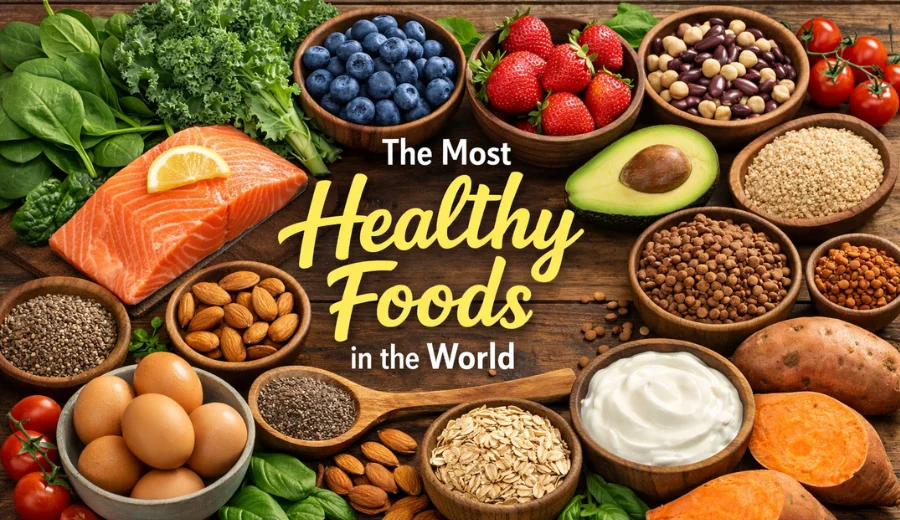
Everyone wants to eat well and stay healthy but most people do not know where to start. The truth is that choosing the most healthy food does not have to be complicated or expensive. Nature has already given us everything our body needs.
There are certain foods that scientists and nutrition experts call the healthiest foods on earth because of how much good they do for your body. These foods fight disease, boost energy, and keep your organs working properly every single day.
Building healthy habits starts with knowing which foods are actually worth eating. When you understand what the most healthy food options are, making better choices at every meal becomes much easier and more natural.
In this blog, we will walk you through the top 10 most healthy food picks backed by science. Whether your goal is weight loss, better energy or long-term wellness, this list is the perfect place to start.
What is the Most Healthy Food in the World?
The most healthy food in the world is any food that gives your body a high amount of nutrients without loading it with empty calories. These are foods rich in vitamins, minerals, antioxidants, fiber and healthy fats.
There is no single food that does everything. But some foods come very close to being perfect for your body. Scientists and nutrition experts study these good foods to eat because they consistently show benefits like reducing disease risk, improving heart health and boosting the immune system.
The healthiest foods on earth are mostly whole, natural and minimally processed. They are the kinds of foods humans have been eating for thousands of years before junk food existed.
Top 10 Most Healthy Foods in the World
1. Leafy Greens (Spinach, Kale)
Leafy greens are among the most powerful good foods to eat on the planet. Spinach and kale are loaded with iron, calcium, vitamin K and folate. They are extremely low in calories but very high in fiber.
Eating leafy greens regularly helps improve digestion, supports bone health and reduces inflammation in the body. Just one cup of raw spinach gives you more than 50% of your daily vitamin K needs.
These greens are also great for people looking to manage their weight because they keep you full without adding many calories to your diet.
2. Berries (Blueberries, Strawberries)
Berries are one of the most nutritious fruits you can add to your daily diet. Blueberries in particular are packed with antioxidants called anthocyanins that protect your body from oxidative stress and cell damage.
Strawberries are rich in vitamin C and manganese. Both berries are low in sugar compared to other fruits and high in fiber. They are excellent healthy food to eat for brain health, heart health and even skin health.
Research shows that eating berries regularly may help reduce the risk of heart disease, type 2 diabetes and cognitive decline as you age.
3. Fatty Fish (Salmon)
Salmon is one of the most nutrient-dense healthy food sources available. It is loaded with omega-3 fatty acids, high-quality protein, B vitamins and selenium. Omega-3s are essential fats that your body cannot make on its own.
Eating fatty fish like salmon at least two times per week can significantly reduce inflammation in your body. It also supports high blood pressure management, brain function and joint health.
Regular consumption of salmon is one of the most effective dietary changes recommended by health experts for long-term heart and metabolic health.
4. Nuts and Seeds (Almonds, Chia Seeds)
Nuts and seeds are calorie-dense but full of healthy fats, protein and essential micronutrients. Almonds are an excellent source of vitamin E, magnesium and fiber. Chia seeds are tiny but incredibly powerful most nutritious fruits alternatives for plant-based nutrition.
Just two tablespoons of chia seeds give you about 10 grams of fiber, 5 grams of protein, and a good amount of omega-3 fatty acids. They are one of the great foods to eat if you are trying to stay full longer.
Almonds and chia seeds also help regulate blood sugar levels making them great snack options for people with or at risk of diabetes.
5. Whole Grains (Oats, Quinoa)
Whole grains like oats and quinoa are far superior to refined grains because they keep all three parts of the grain intact. This means more fiber, more protein and more nutrients in every bite.
Oats contain a special fiber called beta-glucan which is proven to lower bad cholesterol levels and improve heart health. Quinoa is one of the very few plant foods that contains all nine essential amino acids making it a complete protein source.
These are excellent healthy food to eat options for breakfast or lunch, keeping your energy stable throughout the day without any mid-day energy crashes.
6. Eggs
Eggs are one of the most complete and affordable sources of nutrition available. One large egg contains about 6 grams of high-quality protein along with vitamins D, B12, choline and selenium.
For years, eggs got a bad reputation due to their cholesterol content. But modern research shows that for most healthy people, eating whole eggs has little to no negative impact on heart health. They are among the good foods to eat for muscle building and brain function.
Choline found in egg yolks is especially important for brain health and fetal development in pregnant women making eggs one of the top most healthy food choices for people of all ages.
7. Yogurt (Greek Yogurt)
Greek yogurt is thick, creamy and incredibly nutritious. It contains twice the protein of regular yogurt and is packed with probiotics which are beneficial bacteria that support your gut health.
A healthy gut is connected to a strong immune system, better mood and improved digestion. Greek yogurt is also a great source of calcium and vitamin B12. It is one of the great foods to eat for people who want to keep their body healthy from the inside out.
Choosing plain, unsweetened Greek yogurt is always the best option to avoid added sugars that can cancel out many of its health benefits.
8. Avocados
Avocados are unique among fruits because they are loaded with healthy monounsaturated fats instead of sugar. They are especially rich in oleic acid which is the same heart-healthy fat found in olive oil.
Avocados are also high in potassium, fiber, folate, vitamins C, E and K. They help your body absorb fat-soluble nutrients from other foods you eat at the same meal. This makes them a perfect addition to salads or meals with leafy greens.
As one of the best healthiest foods on earth, avocados have been linked to improved heart health, reduced inflammation and better weight management when eaten as part of a balanced diet.
9. Sweet Potatoes
Sweet potatoes are one of the most nutritious root vegetables you can eat. They are rich in beta-carotene which your body converts into vitamin A. Just one medium sweet potato provides more than 100% of your daily vitamin A requirement.
They are also a great source of fiber, potassium, vitamin C and B vitamins. Sweet potatoes have a lower glycemic index than regular white potatoes meaning they cause a slower and steadier rise in blood sugar.
They are filling, naturally sweet and versatile. If you are looking for healthy food to eat that kids and adults both enjoy, sweet potatoes are always a great choice.
10. Legumes (Lentils, Beans)
Legumes including lentils, black beans, chickpeas and kidney beans are among the most healthy food options available. They are incredibly rich in plant-based protein, fiber, iron, folate and complex carbohydrates.
Eating legumes regularly has been linked to lower cholesterol, better blood sugar control and reduced risk of heart disease. Lentils in particular are one of the best great foods to eat for people following a vegetarian or vegan diet.
They are also extremely affordable and easy to cook. Adding just one cup of lentils or beans to your meals a few times a week can make a huge positive impact on your overall health.
Why Are These Foods Considered the Healthiest?
These foods earn the title of most healthy food because they consistently deliver high nutrient density. This means you get a large amount of vitamins, minerals and beneficial compounds per calorie consumed.
They are also backed by decades of scientific research showing their role in preventing chronic diseases like heart disease, type 2 diabetes, obesity and certain cancers. Unlike processed foods these whole foods work with your body not against it.
Another key reason is their versatility. You can mix and match these healthiest foods on earth in hundreds of ways to create delicious and satisfying meals. Eating healthy does not have to be boring or restrictive.
Common Mistakes People Make While Eating Healthy
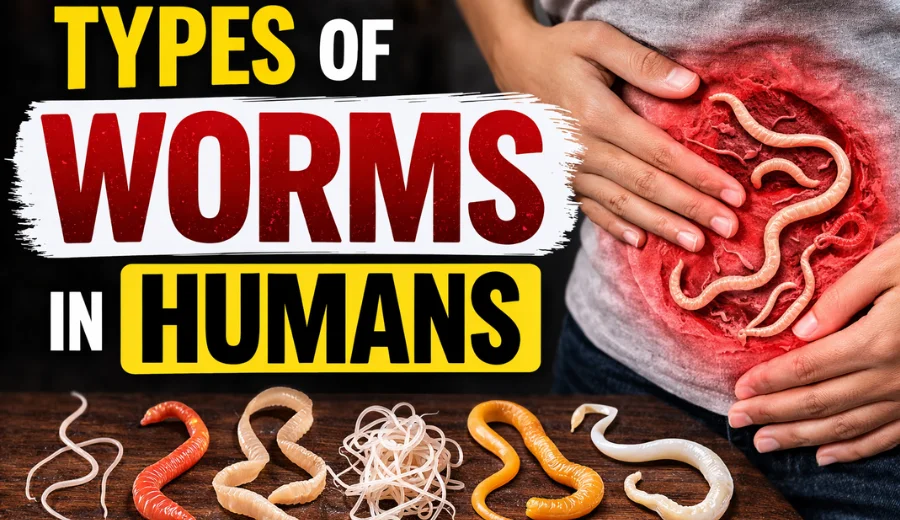
Many people switch to healthy food to eat but still do not see the results they expect. What you eat directly affects your immunity and eating right even helps your body kills scabies and other parasitic threats naturally. The real problem is usually the habits and patterns around eating rather than the food itself.
- Overeating healthy foods: Even the most healthy food can cause weight gain if portions are too large. Nuts, avocados and whole grains are nutritious but calorie-dense.
- Cutting out all fats: Healthy fats from salmon, almonds and avocados are essential for your body. Removing all fats from your diet does more harm than good.
- Drinking your calories: Fruit juices and store-bought smoothies are often loaded with sugar. Always eat whole fruit instead of drinking it to keep fiber and nutrients intact.
- Skipping meals: Missing meals leads to intense hunger later which causes overeating. Eating small balanced meals throughout the day keeps your energy and metabolism steady.
- Relying on processed health foods: Many packaged foods labeled as healthy are still full of sodium, sugar and preservatives. Sticking to whole and natural good foods to eat is always the better choice.
Healthy Eating Tips for a Busy Lifestyle
Eating well when you are busy can feel overwhelming but small and smart changes make it very manageable. Start by meal prepping on weekends so that your most healthy food options are already cooked and ready to grab throughout the week.
Poor gut health can quietly affect how your body absorbs nutrients from food. Learning about symptoms of worms and other digestive issues can help you stay on top of your health and get the most out of every meal you eat.
Always keep quick good foods to eat at home like Greek yogurt, nuts, fruits and whole grain crackers. These need zero preparation and are far better choices than reaching for chips or cookies when hunger hits between meals.
Learning to read food labels is a simple habit that makes a big difference over time. Many packaged foods that claim to be healthy are still full of hidden sugar, sodium and preservatives. Sticking to whole and natural foods as much as possible is always the smartest and safest choice.
Conclusion
Eating the most healthy food does not require a strict diet or expensive supplements. It simply means making smarter choices every day. The ten foods we covered in this blog are some of the best healthy food to eat options that science consistently backs up.
Start small. Add one or two of these foods to your daily meals this week and build from there. Over time these small changes will add up to big improvements in your energy, immunity, weight and overall well-being.
Remember that the best diet is one you can stick to long term. Focus on progress not perfection and your body will thank you for it.